What are the Advantages of Solar Panels in Homes? Solar Savings and ROI Explained
What if your electricity bill dropped to almost zero — and stayed that way for the next 25 years?
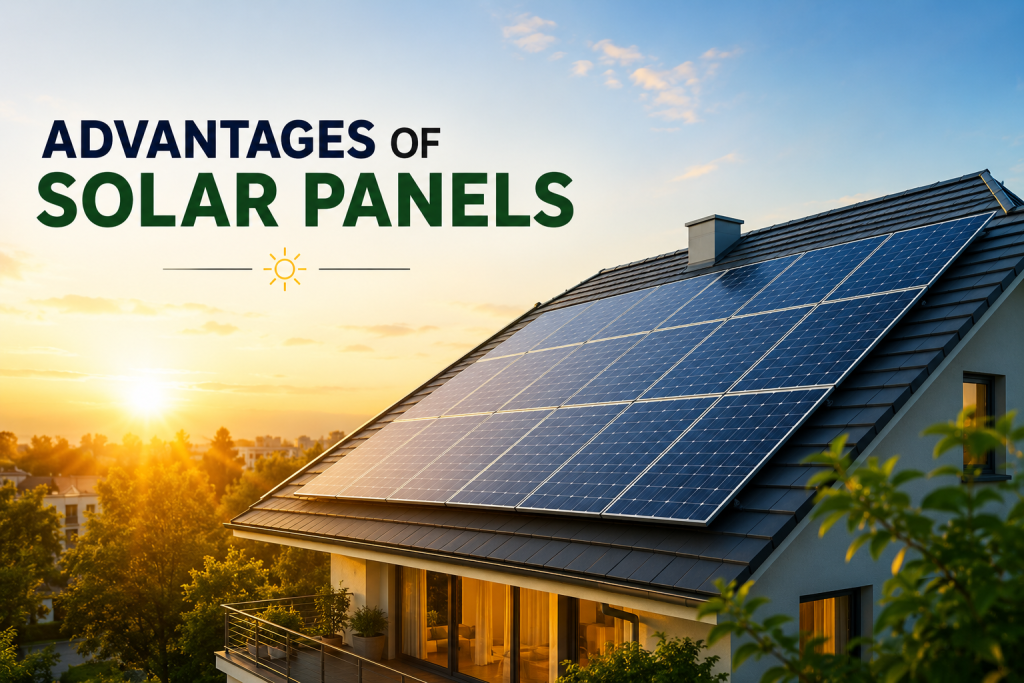
That’s one of the biggest advantages of installing rooftop solar panels at home. A properly sized solar system can reduce electricity bills by up to 90% or more while generating clean and free electricity for decades.
Today, homeowners across India are switching to solar because it offers long-term savings, protection from rising electricity tariffs, and greater energy independence. Along with reducing electricity costs, solar panels also help reduce carbon emissions and improve environmental sustainability.
At Aashirwad Solutions, we help homeowners install high-quality rooftop solar systems designed for maximum savings and long-term performance.
Why Homeowners are Choosing Rooftop Solar
Here are some of the biggest benefits of solar panels for homes:
|
Benefits of Solar Panels |
What It Means for Homeowners |
|
Government subsidy available |
Lower installation cost |
|
25+ year lifespan |
Free electricity for decades |
|
Up to 90% lower electricity bills |
Massive long-term savings |
|
Protection from rising electricity prices |
Stable energy costs |
|
Reduced pollution and carbon emissions |
Eco-friendly energy solution |
|
Increased property value |
Higher resale value |
|
Works in all weather conditions |
Reliable year-round power |
|
Greater energy independence |
Reduced dependence on DISCOMs |
1. Government Subsidy Makes Solar Affordable
The Indian government is encouraging rooftop solar adoption through the PM Surya Ghar Muft Bijli Yojana subsidy scheme.
Subsidy Details
|
Solar System Size |
Subsidy Amount |
|
1 kW |
₹30,000 |
|
2 kW |
₹60,000 |
|
3 kW and above |
₹78,000 |
The subsidy significantly reduces the upfront installation cost, making rooftop solar more affordable for homeowners.
2. Solar Panels Last for 25 Years or More
Modern Tier-1 solar panels are built for long-term performance and durability. Most high-quality panels come with a lifespan of 25 years or more and continue generating electricity efficiently even after decades of use.
With proper maintenance and professional installation, solar panels provide reliable power generation for years with minimal maintenance costs.
3. Solar Panels Reduce Electricity Bills by 90% or More
One of the biggest advantages of rooftop solar is massive electricity savings.
During the daytime, your solar system generates electricity from sunlight and powers your home appliances directly. This reduces dependence on expensive grid electricity.
Over time, the savings become extremely significant.
Example of Solar Savings Over 25 Years
|
Solar System Size |
Approximate Cost with Subsidy |
Estimated Savings Over 25 Years |
|
3 kW |
₹1.3 lakh |
₹16 lakh+ |
|
5 kW |
₹2.2 lakh |
₹33 lakh+ |
Since electricity tariffs increase almost every year, your long-term savings continue to grow throughout the lifespan of the solar system.
4. Rooftop Solar Increases Property Value
Homes equipped with solar panels often have higher resale value compared to non-solar properties.
Buyers are more interested in homes with lower recurring electricity expenses and long-term energy savings. A rooftop solar system becomes an added asset that makes the property more attractive in the real estate market.
5. Solar Panels Help Reduce Pollution
Solar energy is clean and renewable. Unlike traditional electricity generated from coal or fossil fuels, solar panels produce electricity without harmful emissions.
Carbon Reduction from Rooftop Solar
|
Solar System Size |
Carbon Offset Over 25 Years |
|
1 kW |
~26,000 kg |
|
3 kW |
~78,000 kg |
|
5 kW |
~1,30,000 kg |
Installing solar panels helps reduce your carbon footprint and contributes to cleaner air and a healthier environment.
6. Modern Solar Panels Work in All Weather Conditions
Many homeowners believe solar panels only work in strong sunlight. However, modern solar technologies such as TOPCon and Mono PERC panels can generate electricity even during cloudy weather, winter, or low-light conditions.
Advanced panel designs improve efficiency and maintain stable energy production throughout the year.
7. Solar Panels Provide Energy Independence
With a properly sized solar system, your home can generate most or all of its electricity requirements independently.
This reduces dependence on the electricity grid and protects homeowners from power shortages, rising tariffs, and frequent electricity bill increases.
8. Solar Protects Against Rising Electricity Prices
Electricity costs in India continue to rise every year. Residential electricity tariffs have steadily increased across most states.
By installing rooftop solar, homeowners lock in their electricity costs for the next 25 years. Once the initial investment is recovered, the electricity generated becomes practically free.
How Do Rooftop Solar Panels Work?
Solar panels convert sunlight into electricity using the photovoltaic effect.
Simple Working Process
- Solar panels absorb sunlight.
- Solar cells convert sunlight into DC electricity.
- A solar inverter converts DC into AC electricity.
- The AC power runs household appliances.
This allows homes to generate clean electricity directly from sunlight.
Do Solar Panels Work at Night?
Solar panels need sunlight to generate electricity, so they do not produce power at night.
However, different solar systems ensure uninterrupted power supply:
On-Grid Solar System
Connected to the electricity grid. Excess electricity is exported during the day, and grid electricity is used at night.
Off-Grid Solar System
Uses battery storage to supply electricity at night.
Hybrid Solar System
Combines battery backup and grid connectivity for maximum reliability.
Rooftop Solar Installation Cost in India
The cost of solar installation depends on multiple factors including:
- City/location
- Roof type
- Solar panel type
- Inverter type
- Installation structure
- DISCOM approvals
- System capacity
Approximate Solar Installation Cost with Subsidy
|
Solar System Size |
Estimated Price Range |
|
2 kW |
₹85,000 – ₹1.45 lakh |
|
3 kW |
₹97,000 – ₹1.62 lakh |
|
5 kW |
₹1.97 lakh – ₹2.92 lakh |
|
10 kW |
₹4.52 lakh – ₹5.52 lakh |
For an accurate quotation, homeowners should schedule a professional site inspection.
Solar Installation ROI and Long-Term Savings
Rooftop solar offers one of the highest long-term returns compared to traditional investments.
Estimated ROI Example
|
Solar System Size |
Approximate Investment |
Estimated 25-Year Savings |
|
2 kW |
₹1.15 lakh |
₹10 lakh+ |
|
3 kW |
₹1.32 lakh |
₹16 lakh+ |
|
5 kW |
₹2.22 lakh |
₹33 lakh+ |
|
10 kW |
₹4.87 lakh |
₹66 lakh+ |
Most homeowners recover their investment within 3–5 years. After that, the electricity generated becomes almost free.
Are There Any Disadvantages of Rooftop Solar?
While rooftop solar offers many benefits, there are a few important considerations:
Professional Installation is Necessary
Solar installation involves electrical wiring, panel mounting, and net metering setup. Proper installation by experienced professionals is important for safety and maximum performance.
Not All Roofs are Suitable
Older or damaged roofs may require reinforcement before installation. Roofs with excessive shading or limited space may also affect performance.
A professional rooftop survey helps determine the best solar solution for your home.
Conclusion
Installing rooftop solar panels is one of the smartest long-term investments homeowners can make today. From reducing electricity bills and increasing property value to protecting against rising tariffs and reducing pollution, solar offers multiple financial and environmental benefits.
With government subsidies available and solar technology becoming more efficient, now is the perfect time to switch to solar energy.
If you are planning to install rooftop solar for your home, connect with Aashirwad Solutions for expert guidance, professional installation, and customized solar solutions.
FAQs
Can I run an AC with solar panels?
Yes. A properly sized solar system can easily run air conditioners along with other household appliances.
How many solar panels are needed for a 1.5-ton AC?
Generally, a 3 kW solar system is suitable for running one 1.5-ton AC.
Is a 2 kW solar system enough for a home?
Yes. A 2 kW system is usually suitable for small 1–2 BHK homes with moderate electricity consumption.
How long do solar panels last?
Most high-quality solar panels last for 25 years or more.
Do solar panels work during cloudy weather?
Yes. Modern solar panels continue generating electricity even during cloudy or low-light conditions, although output may reduce slightly.